How to Choose the Right Diamond Blade for Asphalt vs.Concrete: A Distributor’s Technical Guide
Apr 24, 2026
Introduction: The High Cost of the Wrong Blade
In the professional construction and road maintenance industry, efficiency isn't just a goal—it’s measured by a precise metric: "Cost-per-cut." For a wholesaler or tool distributor, providing a client with a blade that fails prematurely isn't just a product issue; it’s a direct risk to your reputation.
The most common complaint a distributor hears is: "This blade is garbage—it wore down in two hours." However, in 90% of these cases, the blade isn't poor quality; it is simply a victim of a mis-matched bond. The secret to preventing these losses lies in mastering the "Rule of Opposites" in diamond tool technology.
1. The Hidden Physics: The Rule of Opposites
To guide your customers effectively, you must understand the metallurgical relationship between the diamond matrix and the material being cut. At Aoyin, we simplify this through the Rule of Opposites:
- Hard Materials (e.g., Cured Concrete): Require a Soft Bond. The metal matrix must wear away quickly to constantly expose new, sharp diamond grit to the hard surface.
- Abrasive Materials (e.g., Asphalt, Green Concrete): Require a Hard Bond. Because the material itself is abrasive, a soft bond would vanish almost instantly.
For these high-wear environments, a hard bond Diamond Saw Blade for abrasive materials is essential. The hardened matrix slows down the wear rate, ensuring that the diamonds are not released before they have performed their full cutting potential.
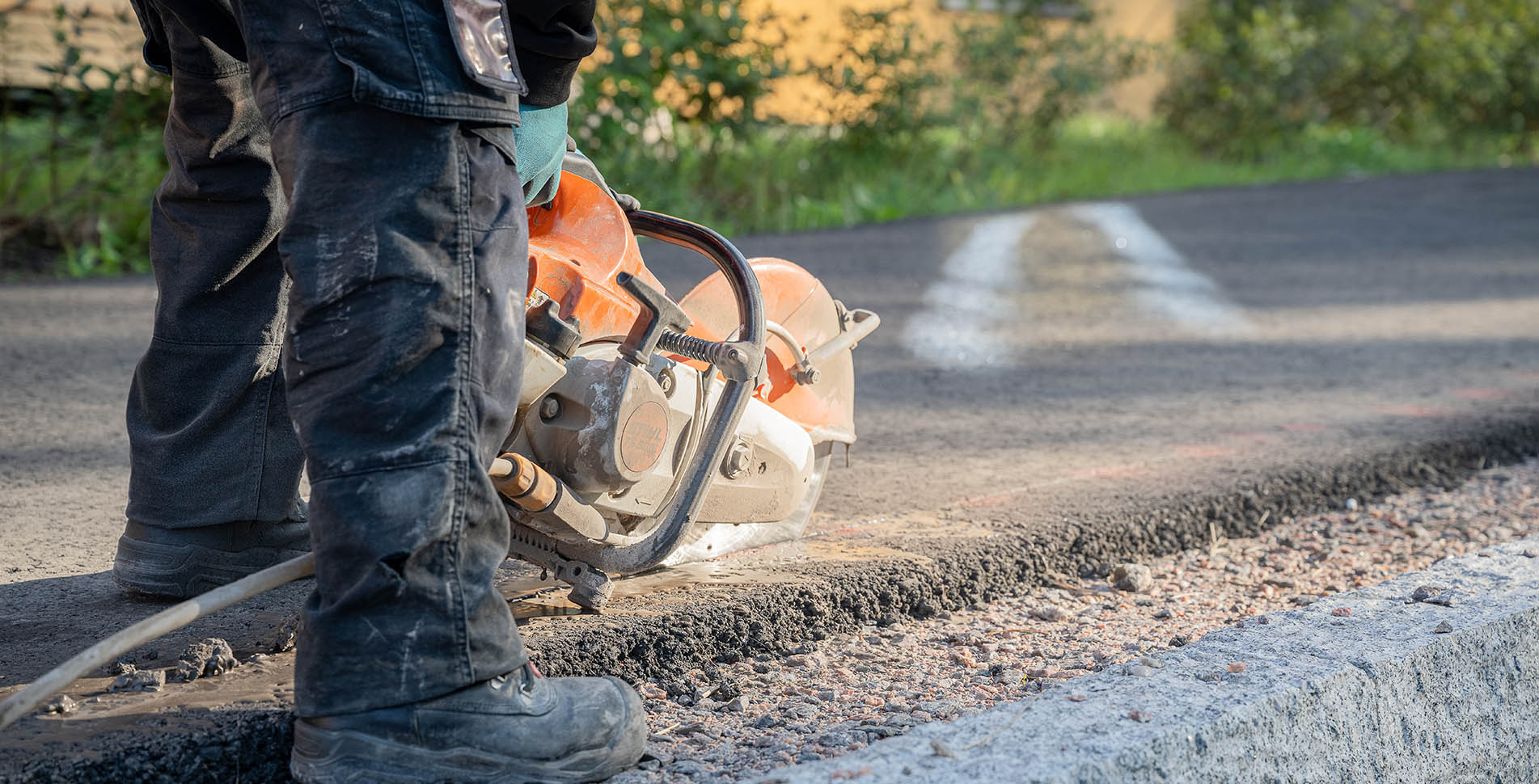
2. Asphalt: The Abrasive Giant and the "Sandpaper Effect"
Asphalt is a deceptive material. While it is physically "softer" than reinforced concrete, it is a certified "blade eater."
The Mechanics of "Undercutting"
As asphalt is cut, the sand and aggregate particles turn into a gritty slurry. This slurry acts exactly like liquid sandpaper, swirling around the base of the blade. Instead of wearing down the diamonds, this slurry attacks the steel core of the blade right below the segments.
This leads to a dangerous phenomenon called "Undercutting." If the steel core thins out, the diamond segments lose their physical support and can snap off during high-speed rotation, creating a massive safety liability on the job site.
3. The Aoyin Solution: Laser Welded Drop Segment Technology
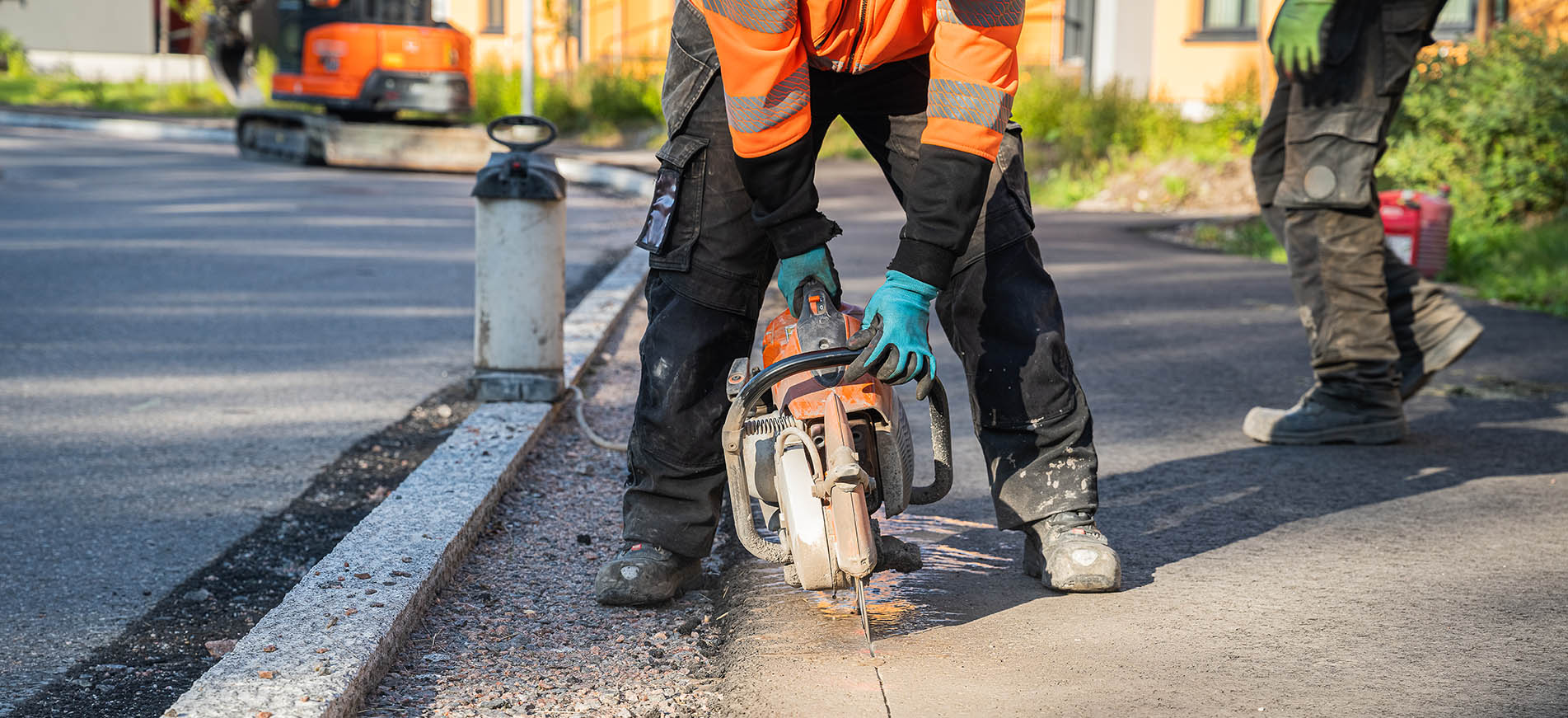
To combat the abrasive nature of roadwork, Aoyin engineered the Laser Welded Drop Segment Asphalt Diamond Blade. This design is the industry standard for professionals for two reasons:
- A. The Shielding Effect of Drop Segments
Our "drop segments" extend deeper toward the center of the blade than standard segments. They act as a physical shield for the steel core, plowing the abrasive slurry away from the weld line and preventing undercut wear. This innovation extends the life of the blade by up to 30% in abrasive conditions.
- B. Laser Welding: The Professional Safety Standard
Aoyin uses precision robotic laser welding to fuse segments to the core. Unlike traditional silver-brazing, laser welding creates a molecular bond that is stronger than the metal itself. This allows for:
High-Speed Dry Cutting: No risk of segment loss even when water cooling is unavailable.
Extreme Heat Resistance: Vital for long-range road sawing where friction temperatures skyrocket.
4. Conclusion: Moving from Price to Value
For a distributor, the goal is to move the conversation away from the "cheapest blade" and toward the "best ROI." By stocking Aoyin’s hard bond diamond saw blades and laser welded drop segment technology, you provide your clients with:
- Increased Safety: Reduced risk of segment detachment.
- Lower Downtime: Fewer blade changes during large-scale road projects.
- Higher Reputation: You become a consultant who provides solutions, not just a vendor selling hardware.
Distributor Tip: When a client mentions cutting asphalt or "green" concrete, always recommend a hard bond with undercut protection. It is the difference between a one-time sale and a lifelong partnership.
FAQ
Q: Can I use an asphalt blade on cured concrete?
A: No. The hard bond will not wear away fast enough to expose new diamonds, causing the blade to "glaze" and stop cutting.
Q: Why choose laser welded over sintered blades?
A: Laser welding is significantly safer for the high-torque gas saws used by road crews. Sintered blades are for light DIY use; laser welded is for the pros.
Q: Does Aoyin provide private labeling for these blades?
A: Yes. We offer full OEM services for distributors looking to build their own brand presence with our high-performance cores.

 English
 français
 русский
 español
 العربية
 português